Hello 👋
Welcome back to another edition of Weekend Rounds!
Big conferences tend to mean big news—and VMX, the first major North American veterinary conference of the year, is no exception. This week brought a wave of announcements from some of the profession’s biggest players.
We’ll dive into the most notable product updates and news coming out of VMX, pulled from recent press releases and conference coverage.
We’re also debuting a brand-new section: AI Field Notes. As AI becomes increasingly relevant in 2026, it’s time we tapped into our founder’s long-standing obsession (and deep knowledge) to share a short weekly take on the concepts, news, and shifts that will shape how this technology impacts our profession.
Here’s what we’re covering this week:
😻 California declaw ban goes into effect
🗞️ The biggest product updates from VMX
🤖 AI Field Notes
🚀 Quick hits

😻
California declaw ban goes into effect
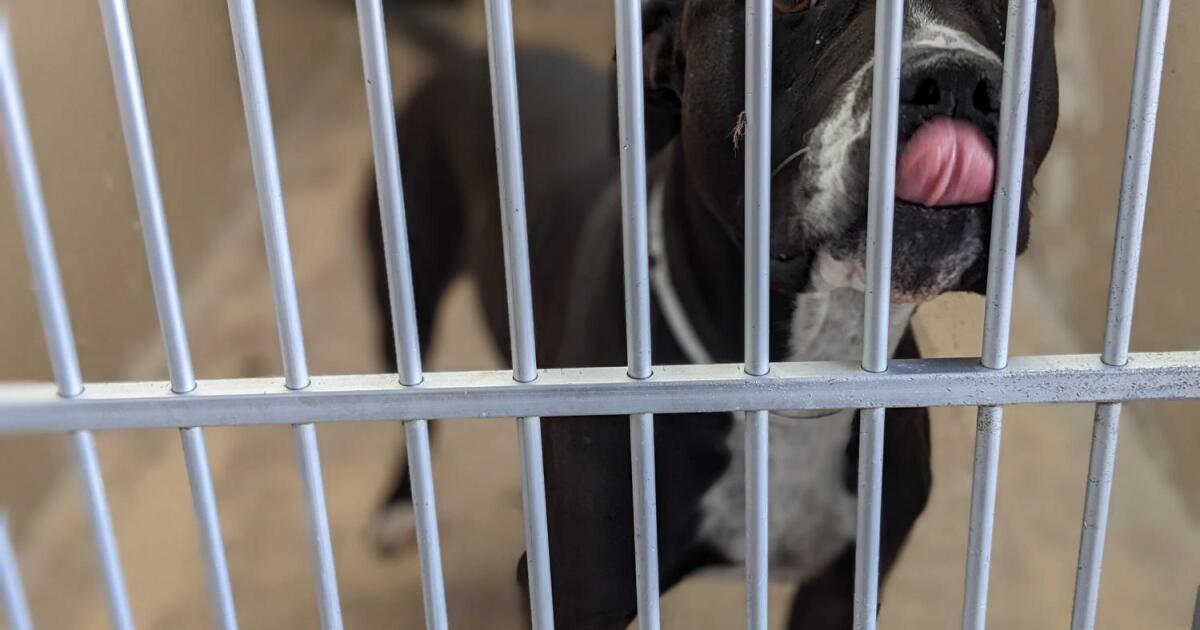
As VIN reported this week, California has criminalized elective cat declawing, empowering the state veterinary medical board to fine, suspend, or revoke the licenses of veterinarians who perform the procedure without medical necessity. Declawing, or onychectomy, involves amputating the last bone of a cat’s toes and is associated with risks such as chronic pain, nerve damage, and infection. While many veterinary organizations strongly discourage the practice, opinions differ on whether legal bans are appropriate: advocacy groups argue legislation is necessary to stop a harmful and outdated procedure, while groups like the AVMA and California VMA worry that laws regulating specific medical procedures could undermine professional judgment.
California joins a growing list of U.S. states and local jurisdictions that ban elective declawing, reflecting a broader international trend. The practice is already prohibited or heavily restricted across much of Europe, as well as in countries such as Australia, Brazil, and Japan. In Canada, most provinces have banned declawing through veterinary licensing bodies, and Ontario is considering a province-wide legal ban. Supporters of these laws view them as deterrents, even if enforcement cases are rare, while opponents maintain that declawing can be performed humanely and may, in limited cases, prevent cats from being surrendered or euthanized.
Attitudes within the veterinary profession have shifted sharply away from declawing over the past decade. Most veterinary schools no longer teach the procedure, large corporate clinic groups have banned it, and surveys show a steep decline in veterinarians willing to perform elective declaws. Research from Canada and California suggests that bans do not increase shelter surrenders or euthanasia rates and may coincide with decreases in cat intake. Some studies also link declawing to increased behavioral problems, such as biting and litter box avoidance, strengthening arguments that the procedure may ultimately worsen outcomes for both cats and owners.
🗞️
The biggest product updates from VMX
From IDEXX:
IDEXX has launched the ImageVue™ DR50 Plus, its most advanced veterinary digital radiography system, delivering AI-powered, high-definition imaging with up to 25% lower radiation than its previous best-in-class system. The fully connected platform integrates imaging, practice management, and telemedicine workflows to help clinics diagnose faster while improving radiation safety.
IDEXX also announced major advances in canine cancer diagnostics, expanding its Cancer Dx™ Panel to include mast cell tumor detection in 2026 and adding in-clinic FNA cytology for mast cell tumors to the inVue Dx™ analyzer.

From Antech:
RapidRead™ Dental for Feline: Antech expanded its AI-powered RapidRead Dental platform to cats, delivering feline dental radiograph analysis and visual reports in under five minutes
SDMA on Element i+: Antech added SDMA testing to its in-house Element i+ analyzer, allowing clinics to assess kidney function in dogs and cats with quantitative results in under three minutes.
HealthTracks™ Mobile App & trūRapid™ Reader: Antech showcased new workflow tools at VMX, including the HealthTracks Mobile App for real-time test result notifications and a preview of the upcoming trūRapid Reader, which automates rapid test result capture and integration into practice management systems.
Read the full press release here.
From HT Vet:
HT VET launched the VISTA iQ, a fully wireless, next-generation AI-powered cancer screening device for dogs, featuring improved speed, usability, and workflow integration for non-invasive evaluation of dermal and subcutaneous masses. The device debuted at VMX and builds on HT Vista’s Heat Diffusion Imaging technology with enhanced portability and precision tools.
From Loyal:
Loyal announced a major regulatory milestone for LOY-002, a drug in development for healthy lifespan extension in senior canines: The FDA has accepting the Target Animal Safety section of its Expanded Conditional Approval application for the company’s lead lifespan-extension drug for senior dogs. The acceptance signals that LOY-002 meets FDA safety standards and brings the therapy one step closer to becoming the first approved drug aimed at extending healthy lifespan in dogs.

Welcome to the first edition of AI Field Notes! As AI continues to shape veterinary medicine in 2026 and beyond, Obi Veterinary Education co-founder Ryan Appleby will share concise, practical notes on where AI is headed and what it means for veterinary teams. This is an experiment, so if you find it useful, reply to this email or vote in the poll at the bottom to let us know!
Artificial intelligence is reshaping veterinary medicine, from diagnostic tools to scribe systems that streamline documentation. These innovations promise efficiency and improved patient care, but they also come with environmental and ethical challenges that we cannot ignore.
Behind every scribe tool lies a frontier model from large companies such as OpenAI, Google or Meta. These models train and operate on a vast network of data centers, massive facilities housing thousands of high-end chips, consuming enormous amounts of electricity and water. A recent article in the MIT Technology Review highlights our complex relationship with AI. A single hyperscale data center can span millions of square feet, require hundreds of miles of wiring, and chew through hundreds of megawatt-hours of electricity. A planned Meta data center in Wyoming will require more electricity than every household in the state combined. Cooling these facilities alone is an engineering feat, and their environmental footprint is significant. Communities across the U.S. have pushed back against data center construction due to rising power bills, water usage, and noise pollution. These concerns highlight the hidden costs of the AI systems we rely on.
Interestingly, the conversation about sustainability has shifted. Early concerns focused on the energy cost of a single prompt, but efficiency gains have been dramatic. As Ethan Mollick noted in an August 2025 analysis Google reports that energy efficiency per prompt has improved 33x in the past year. Today, a standard prompt uses about 0.0003 kWh. This is about the same as 8–10 seconds of streaming Netflix or a Google search in 2008. Water use per prompt is less clear but ranges from a few drops to about a fifth of a shot glass (0.25–5 mL). These figures exclude training, which remains energy-intensive; for example, training GPT-4 consumed over 500,000 kWh, equivalent to 18 hours of a Boeing 737 in flight.
Ethical considerations also loom large. AI introduces questions about data privacy, bias, and equitable access. Awareness within our profession is essential to ensure responsible adoption.
My view is that AI will be a net positive for veterinary medicine by reducing burnout, improving workflows, and supporting better patient outcomes. I use these tools regularly and find them valuable. That said, we also have a responsibility to advocate for sustainable and ethical practices, including encouraging vendors to invest in renewable energy, carbon offsets, and efficient infrastructure.
Our profession’s One Health lens extends beyond animals to the ecosystems they depend on. By embracing AI thoughtfully and advocating for responsible development, we can capture its benefits without compromising our commitment to stewardship.
Short notes for veterinary teams:
AI tools you use daily rely on unseen infrastructure with real environmental and societal impact.
Efficiency gains mean using AI responsibly may be increasingly compatible with sustainability.
Choosing vendors that prioritize transparency, privacy, and green initiatives helps align innovation with common professional values.
— RBA
🚀
Quick Hits
Here are some of the other stories that caught our eye and we're following this week from around the veterinary world and animal kingdom:



:max_bytes(150000):strip_icc()/Farmer-in-jean-coat-in-field-2000-0b1359759dc84cc38d1472901565eaae.jpg)